
There Is More to People Than Meets the Eye
One thing I actively try to do — consistently and intentionally — is understand where people are coming from.
Not just what they say or how they act, but why they behave the way they do.
I try to absorb their upbringing, the trials and tribulations they’ve endured, the loss or heartbreak they’ve experienced, the opportunities they were given, and the framework that makes them uniquely who they are. This practice helps me process differences, understand personalities I may otherwise judge, and navigate difficult interactions with far more grace.
Understanding People Is a Skill — Not an Excuse
This is not always easy, but it is always worthwhile.
Understanding people and accepting their flaws allows me to live a more enjoyable and peaceful life. I don’t say this because I’m overly nice or a pushover — quite the opposite, actually. I say it because some of the most valuable lessons I’ve learned came from interacting with people who are nothing like me.
People who challenge me.
People who are confrontational.
People who could easily be dismissed as cold, arrogant, self-centered, or difficult.
Judgment Says More About Us Than Them
Here’s an uncomfortable truth.
If you immediately judge people without taking the time to understand them, are you truly a kind or understanding person?
More often than not, judgment comes from:
Past experiences
Personal definitions of right and wrong
Learned behaviors from childhood
Family dynamics and early relationships
Each of us is a byproduct of our upbringing, our experiences — both good and bad — and how we’ve been perceived throughout different stages of life.
The Power of Asking “Why”
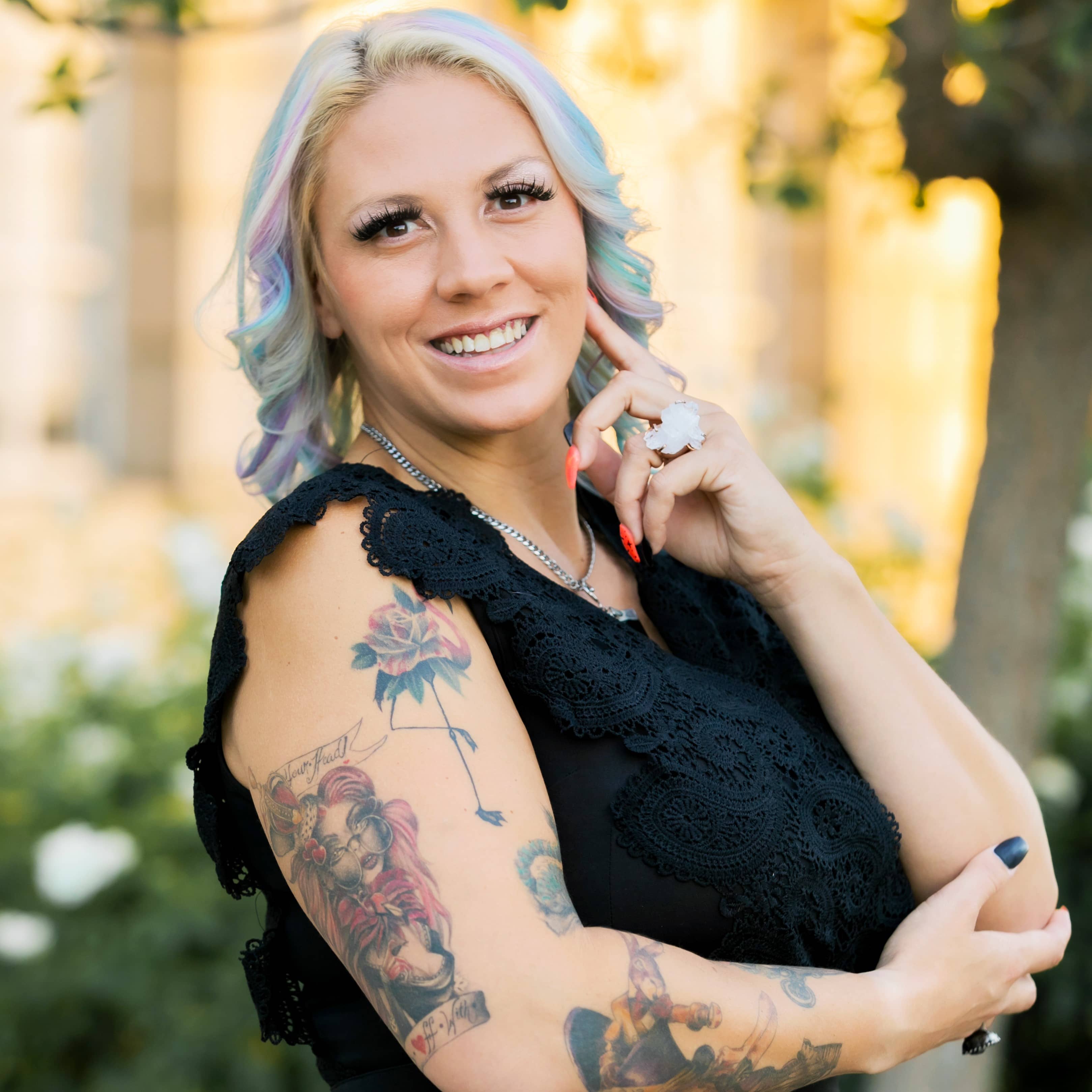
[IMAGE: Close-up portrait with strong eye contact, neutral background, emotional depth]
Taking the time to understand why someone behaves the way they do can completely change your interactions with them.
When you stop judging and start understanding, you gain clarity.
You may realize why someone comes off cold.
Why someone constantly feels the need to one-up others.
Why compliments make them uncomfortable.
Why they isolate themselves.
Once you understand the “why,” the haze begins to lift.
Discernment Comes From Understanding, Not Assumptions

Not everyone who appears kind is good.
And not everyone who appears abrasive is bad.
Some people are masters at masking their intentions.
Others are simply operating in protection mode.
From some perspectives, I’m sure I’ve come off as cold or even unkind — usually during times when I was overwhelmed, protecting myself, or unable to show up fully as my true self.
Applying This in Real Life

I apply this mindset both personally and professionally.
In the past, I misjudged people. I trusted the wrong individuals. I believed some had my best interests at heart when they didn’t.
This intentional pause before judgment has helped me identify who truly belongs in my life — and who deserves a firm pass.
Lead With Curiosity Before Criticism
Before you judge someone:
Talk to them
Ask questions
Learn what they’re dealing with
Before writing someone off or making assumptions, do your research. Make an informed decision.
I hope people give me the chance to be understood.
And because that’s what I hope for myself, I’m willing to extend the same grace to others.
Final Thought
There is always more to people than meets the eye.
Take the time.
Clear the haze.
Look deeper.
Understanding someone may not change who they are — but it will change how you move forward.